
-

Gratis transport
-

24/7 beveiliging
-

Laagste prijs
-

Huren vanaf één week
-
Gratis transport
-
24/7 beveiliging
-
Laagste prijs
-
Huren vanaf één week
How much does a storage unit cost per month?
How much does a storage unit cost per month?
The cost of a storage unit varies depending on your situation. The price mainly depends on the size of the storage unit, the location and how long you rent the space for. At ALLSAFE, you can rent storage space from €1.40 per m³ per week.
A small storage unit for a few boxes or seasonal items is usually more affordable than a larger storage space for furniture, a complete household inventory or vehicle storage. That’s why it’s smart not to focus only on the monthly price, but to first determine how much space you actually need.
In this blog, you’ll learn which factors influence the cost of a storage unit, which size best suits your situation and how to avoid paying for more space than you need.
What determines the cost of a storage unit?
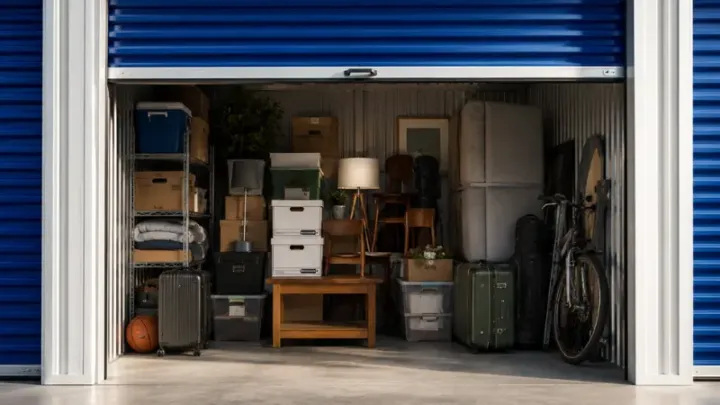
The cost of renting a storage unit mainly depends on four things: the size, the location, the position within the building and the rental period. A storage unit for a few boxes is, of course, cheaper than a larger space for a sofa, wardrobe, bed and several moving boxes.
The location can also affect the price. Storage space in or near a busy city may be priced differently from storage space in a quieter area. The position within the building can also play a role. A storage unit on the ground floor or close to a loading area may be more practical than a unit on an upper floor.
The rental period is important too. Sometimes you only need storage for a few weeks, for example during a move. In other cases, you may rent storage space for several months, such as during a renovation, when downsizing or during a temporary stay abroad. In these situations, temporary storage can be very convenient!
How much does it cost to rent storage units in different sizes?
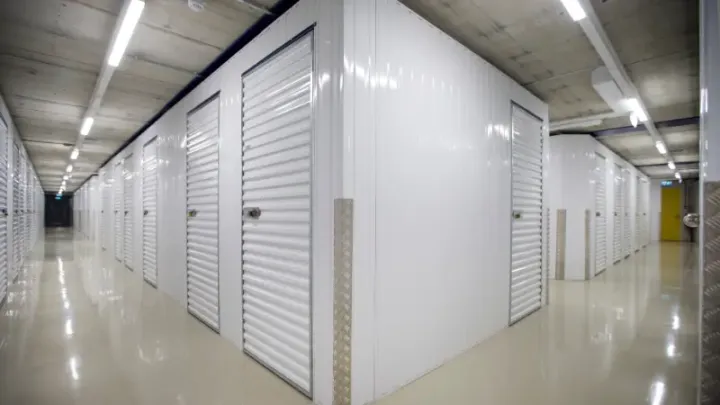
The cost of renting a storage unit mainly depends on how much space you need. For items from a cupboard, 1 to 3 m³ is often enough. For the contents of one room, you usually need around 4 to 12 m³. For two to three rooms, this is often around 13 to 24 m³. For a family home, you will usually need 25 to 54 m³. For a large home or a lot of furniture and belongings, this can increase to 55 m³ or more.
The monthly price depends on the size, location, availability and how long you rent the storage space for.
This remains an estimate. Large furniture, white goods, mattresses and many loose boxes can take up extra space. By dismantling furniture and stacking boxes properly, you make better use of the storage unit and avoid renting a unit that is larger than necessary.
Want to know more precisely which size is right for you? Use our storage calculator or visit an ALLSAFE location to view the storage units yourself. Our team can take a look with you and help estimate which storage space best suits your belongings!
When is a storage unit useful?
You usually rent a storage unit when you temporarily need extra space. This could be during a move, renovation, downsizing or when you need to store furniture you do not have room for at the moment.
When moving house, the timing between two homes does not always line up perfectly. You may have to leave your old home before your new home is ready. In that case, a storage unit can help keep your belongings safe temporarily.
Temporary storage can also be useful during a renovation. Furniture is kept out of the way and better protected from dust, paint or damage. Are you moving to a smaller home? Storage space can give you time to decide what you want to keep, sell or use again later.
A storage unit is also sometimes used for business purposes, for example for tools, stock, promotional materials or archives.


How to avoid paying too much for storage
You can often keep the cost of a storage unit down by planning ahead. Start by making a short list of what you want to store and do not automatically choose the largest storage unit. Large furniture can often be dismantled, which helps save space.
Use sturdy boxes in the same size, place heavy items at the bottom and put items you may need more often at the front. Tip: read our blog about packing moving boxes here. This keeps your storage unit organised and helps you make better use of the space.
Do not only look at the monthly price, but also at the terms and conditions. Think about the rental period, notice period, accessibility and insurance for your belongings. The Dutch Consumers’ Association, for example, advises checking carefully how your belongings are insured during temporary storage and which conditions apply.
Are you unsure between two sizes? Then mainly consider how often you need access to your belongings. If everything will stay in storage temporarily, you can usually stack items more compactly. If you regularly need something, a little extra walking space is more practical. This way, you are less likely to pay for space you do not actually use.
Storage unit costs: frequently asked questions
The costs depend on the size, location and rental period. As a guideline, starting prices at ALLSAFE begin from €1.40 per week for a small storage space. For larger storage units, the price increases. Want to know the monthly price for your situation? Use the storage calculator or visit one of our locations, so a team member can take a look with you.
At ALLSAFE, starting prices are shown per week. The monthly costs therefore depend on the number of weeks you rent storage space. This is useful if you do not yet know exactly how long you will need storage, for example during a move or renovation.
The cost of a storage unit is mainly determined by its size, location, position within the building and rental period. Availability and any discounts offered at each facility can also affect the price.
First, make an overview of what you want to store. Think of boxes, furniture, appliances and loose items. The storage calculator can then help estimate how many cubic metres of storage space you need.
A small storage unit is often enough if you mainly want to store boxes, clothes, suitcases, documents or seasonal items. For furniture, white goods or the contents of an entire home, you will usually need more space.
Curious how much your storage unit will cost?
Need a storage unit?
Gerelateerde artikelen

Aanhanger afmetingen: welke maat heb je nodig?
Checklist voordat je vertrekt Controleer voor vertrek of je lading goed past en veilig vervoerd kan word...
Meubels en inboedel beschermen tijdens verbouwing
Conclusie: bescherm je meubels voordat de verbouwing begint Meubels opslaan tijdens een verbouwing ...

Inboedel verzekeren tijdens opslag
Heb je een aparte verzekering voor een opslagruimte nodig? Een aparte verzekering i...