
-

Free transport
-

24/7 security
-

Lowest price
-

Rent from one week
-
Free transport
-
24/7 security
-
Lowest price
-
Rent from one week
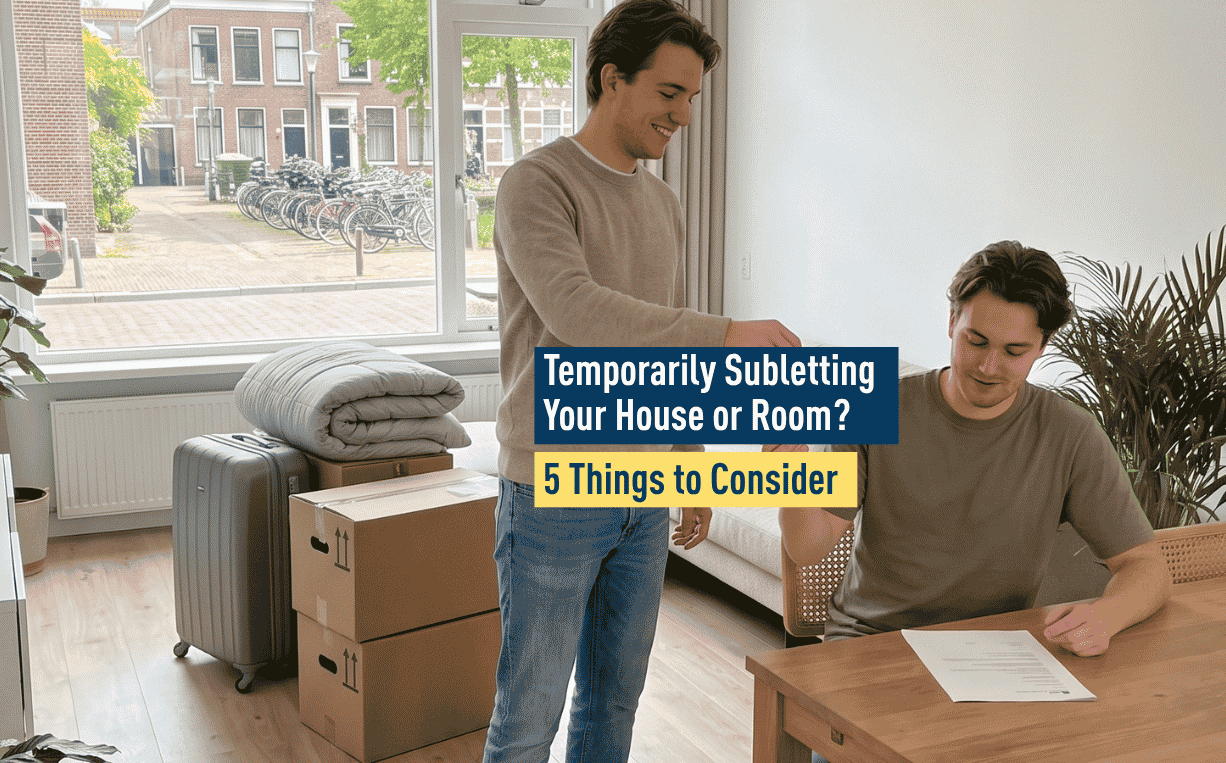
Temporarily Subletting Your House or Room? 5 Things to Consider
 Living tips
It sounds ideal: earning some extra money by subletting your home while you are away for a while. This could be during a holiday or an extended stay abroad, but also if you are struggling to sell your home. Websites such as Airbnb and Wimdu respond well to this “home-sharing” trend by allowing people to offer their homes for rent through their online platforms. However, to avoid unpleasant surprises after the rental period, there are several practical matters you should take into account. We have listed them for you below.
1. Check whether you are allowed to sublet your house or room
More and more municipalities are taking strict action against illegal forms of subletting. But what is allowed and what is not? If you rent a self-contained property, you may be allowed to sublet part of it, unless your tenancy agreement states otherwise. Do you own a home that still has a mortgage? In most cases, you are not allowed to rent it out without permission from your mortgage provider. Always check whether subletting is permitted before offering your home for rent.
2. Temporarily subletting your home
Short periods
You can offer your home on websites such as Airbnb and Wimdu. These platforms are particularly suitable for shorter rental periods, such as a two-week holiday. Airbnb charges a service fee based on the rental amount.
Longer periods
Many mortgage providers work with rental agencies that can assist you with renting out your home. These agencies charge a mediation fee for their services. For a longer rental period, this may be worthwhile. Companies such as Rotsvast Group and Direct Wonen can also help with subletting your home, although they usually charge a fee. These companies often screen prospective tenants, which can provide extra peace of mind when you are away for a longer period.
3. Is your subtenant reliable?
Whichever option you choose, always ask the tenant to identify themselves using an original and valid form of identification before entering into an agreement. Make sure this person is also the one who collects the keys and signs the rental contract.
You can also agree that someone will occasionally visit your home to check that everything is in order. A family member or close friend could do this for you, allowing you to keep an eye on both your property and the tenant.
4. Arrange a fixed-term rental contract and a deposit
Use a standard fixed-term rental agreement. Templates can be found online. It may also be advisable to have the subtenant sign a termination agreement. Without this, you may have to formally terminate the sublease, which can involve a considerable amount of administration.
You should also request a security deposit, which can be returned once the property has been handed back in good condition.
5. Temporarily store important belongings
Make clear agreements about the insurance of your household belongings. As a precaution, remove fragile, sentimental and valuable items from your home while you are away. The more valuable or delicate belongings you leave behind, the greater the risk of damage and unpleasant surprises when you return.
You could consider temporarily storing important belongings with a professional storage company.
Keep these five points in mind when subletting your home and avoid unpleasant surprises. This will allow you to return home with peace of mind. Good luck!
Related articles

Create a Cozy Winter Garden with These Inspiring Ideas
Garden ideas to keep you warm Brrr, perhaps the most important thing if you want to use ...
Autumn Garden Maintenance – Tips for Preparing Your Garden for Winter
Preparing the Outdoor Tap for Winter Convenient, isn’t it? An outdoor tap ma...

Building Your Own House: How Much Does It Cost and What Should You Consider?
The details behind the details Unlike buying an existing property, b...