
-

Free transport
-

24/7 security
-

Lowest price
-

Rent from one week
-
Free transport
-
24/7 security
-
Lowest price
-
Rent from one week
Storing a classic car: climate and protection

A classic car is often much more than just a vehicle. For some, it is a high-value investment, for others, a passionate hobby or a family heirloom with deep emotional value.
It is precisely for this reason that classic car maintenance and care require far more attention than a modern daily driver.
Many owners mistakenly believe that a standard garage or a car cover provides sufficient protection. However, the breakdown of a vehicle most frequently occurs during periods of inactivity. Without the right environment, long-term vehicle storage can quickly lead to rust, mold, dry-rotted rubber seals, and a severe loss of resale value.
In this article, you will discover the essential requirements for a professional classic car storage facility, why climate control is vital for vehicle preservation, and exactly how to keep your vintage car in top condition for years to come.
Why are Classic Cars More Vulnerable to Storage Than Modern Vehicles?
Many people assume that a classic car can be stored in the exact same way as a (modern vehicle add link). In practice, however, this is rarely the case. Vintage cars are significantly more sensitive to moisture, temperature fluctuations, and prolonged periods of inactivity. Because of this, the way you choose to park and protect your vehicle has a direct impact on its overall condition and resale value.
Vintage Materials Require Extra Protection
The main difference between classic and modern cars is the materials used to build them. Most older cars were made in a time when factory protection against weather and dirt was not as advanced.
Key weak spots include:
-
Steel Bodies: Older steel sheet metal rusts very quickly.
-
Chrome Parts: Classic chrome plating can easily get dull and pitted when the air is damp.
-
Rubber Seals: Older types of rubber dry out, crack, and crumble much faster than modern synthetic rubber.
-
Interior Upholstery: Traditional fabric, wool, and leather interiors easily absorb moisture from the air, which causes mold and mildew.
While modern cars use advanced materials and protective coatings, classic cars completely rely on good maintenance and a dry car storage space to stay in top shape.
Modern Cars Have Built-In Climate Defense
Over the past few decades, car makers have made huge steps in rust prevention and durability. Modern cars often feature galvanized steel bodies, advanced paint layers, strong factory undercoating, protective coatings on metal parts, and better synthetic seals to keep moisture out.
Thanks to these improvements, modern daily drivers can easily handle changing weather and standing still for a short time. Classic cars do not have these modern layers of protection. Because of this, trapped moisture and drops in temperature can cause quick damage, even when the vintage car is parked inside.
Classic Cars Stand Still Much Longer
Maybe the biggest difference is how often the vehicle is used. A modern car is usually driven every day or a few times a week. This keeps the parts moving, circulates the fluids, and gives moisture no chance to build up.
With classic cars, things are different. Many owners only use their vintage car for summer weekends, classic car events, club rides, rallies, or special occasions. Because of this, a classic car can sit idle for weeks or even months. It is exactly during these long periods of sitting still that the biggest risks look around the corner, like rust, dry rubbers, a dead battery, old fuel, or mold in the interior.
Why Sitting Still Can Be Worse Than Driving
It sounds strange, but a classic car that is used regularly often stays in better shape than one left sitting in long-term storage. When a car stands still, engine oil does not circulate, seals dry out, and moisture builds up in places you cannot see. This means problems develop quietly while the car looks safely parked away.
That is why good classic car storage is about more than just protection from rain or theft. It is mostly about creating a stable environment where humidity, temperature changes, and long periods of standing still cannot damage the vehicle.
Why the Right Car Storage Matters
A classic car is worth much more than just the price you paid for it. It is about history, emotion, a hobby, and sometimes it is an investment. By choosing a dry, safe, and stable storage space, you prevent damage and keep the car in good condition and worth its value.
For short periods, a normal garage is often fine. But for long-term vehicle storage, many enthusiasts choose professional classic car storage or premium options like the ALLSAFE Engine Rooms, where protecting your car is the main priority.


The biggest enemy of a classic car: moisture
When classic car enthusiasts talk about the biggest threat to their vehicle, many people immediately think of theft, damage or wear and tear. In reality, moisture is often the greatest enemy of a classic car.
Moisture works slowly and invisibly, sometimes for years, before the first signs of damage become visible. That is why a lot of damage occurs during storage periods, when a classic car is rarely used.
Why moisture is so harmful to classic cars
Modern cars are built with extensive protection against moisture and corrosion. However, many classic cars come from a time when these technologies were still limited.
As a result, classic cars are often more sensitive to:
- rust formation;
- chrome oxidation;
- mould in the interior;
- damaged rubber parts;
- electrical issues;
- accelerated ageing of materials.
Especially when a classic car is parked for several months, moisture has the chance to slowly build up in places that are hardly visible.
Rust often starts from the inside
Many owners regularly check the visible parts of their car. However, rust often starts in areas that are barely accessible.
Think, for example, of:
- hollow spaces inside doors;
- sills;
- wheel arches;
- chassis parts;
- seams and welded joints;
- spaces behind the interior trim.
When moisture builds up in these areas, corrosion can continue unnoticed for years before the damage becomes visible.
This often makes moisture more dangerous than a small scratch or stone chip. You notice those immediately. Moisture works in silence.
The interior can also be damaged
Moisture does not only affect metal. When a classic car is stored in a damp environment, other parts can also become damaged.
Examples include:
- mould on upholstery;
- musty smells;
- discolouration of fabrics;
- damage to leather;
- warped wood finishes;
- loosened glue connections.
Especially vehicles with an original interior can lose significant value because of this.
Chrome and decorative parts are extra sensitive
Many classic cars have chrome and polished metal parts. These parts may look strong, but they can be damaged when they are exposed to damp air for a long time.
This can cause:
- dull spots;
- discolouration;
- surface rust;
- permanent damage to the finish.
For rare or original parts, repair can be expensive or sometimes even impossible.
Why a regular garage is not always enough
Many people think a classic car is safe as soon as it is parked indoors. However, this is not always true.
An unheated garage can still have problems with high humidity, condensation, poor ventilation and large temperature changes.
Especially in autumn and winter, cold nights and warmer days can create moisture problems. This can happen even when the car looks completely dry.
The ideal space for classic car storage
or long-term classic car storage, a stable environment is very important.
Ideally, a classic car should be stored in a space that is:
- dry;
- well ventilated;
- protected from the weather;
- not exposed to many temperature changes;
- safely locked.
This gives moisture and condensation much less chance to damage the car.
How to recognise moisture problems in a classic car
Moisture is not always easy to see, but there are signs you can look out for.
For example:
- fogged-up windows on the inside;
- a musty smell in the interior;
- small rust spots on metal parts;
- dull chrome details;
- damp floor covering;
- mould on leather or fabric parts.
If you notice one or more of these signs, it is smart to check whether the storage space is suitable for your classic car.
Why professional classic car storage is often chosen
For many owners, a classic car is more than just a vehicle. It has financial value, but it also represents years of restoration, maintenance and passion.
That is why more owners choose professional classic car storage or special concepts such as ALLSAFE Engine Rooms. The car does not just need a place to stand. It needs the right conditions to stay in good condition for the long term.
Good classic car storage is not only about space. It is about reducing the biggest risk for classic cars: moisture.
In short: Rust, mould, oxidation and ageing materials are often caused by long-term exposure to moisture. A dry and stable storage space is therefore one of the most important ways to protect a classic car.

Can a classic car be stored outside?
The short answer is: yes, a classic car can be stored outside. Many owners do not have a garage or their own storage space. Because of this, a classic car sometimes has to be parked on a driveway, under a carport or even on the street.
However, outdoor storage is not the best option for most classic cars, especially when the vehicle is not used for weeks or months.
A classic car is often more sensitive to weather conditions than a modern car. During long periods of storage, moisture, sunlight and temperature changes can slowly cause damage without you noticing it.
Rain and moisture
Rain may seem like the most obvious risk, but the problem is not only the water itself.
When a classic car regularly gets wet, moisture can stay longer on metal parts, rubber parts and seals. Especially with older vehicles, this can lead to faster rust formation and corrosion.
A car cover can protect the car against direct rain, but it does not always stop moisture from building up around the vehicle.
UV radiation and discolouration
Many owners mainly think about rain, but sunlight can also cause a lot of damage over time.
UV radiation can cause:
- discolouration of the paint;
- dried-out rubber parts;
- small cracks in plastic parts;
- ageing of the interior.
Classic cars with original paint or original upholstery are especially sensitive to this.
Bird droppings and tree resin
Parking a classic car under a tree may seem like a good way to keep it out of the sun. However, this also brings other risks.
Bird droppings contain acids that can damage the paint if they are not removed quickly. Tree resin can also stick to the paint and be difficult to remove.
When the car is exposed to these things for a long time, they can cause permanent damage.
Temperature changes
One of the most underestimated risks of outdoor storage is temperature change.
During cold nights and warmer days, condensation can form on metal parts and windows. This moisture can then build up in places that are difficult to see.
Especially classic cars that are not used for a long time have a higher risk of rust and ageing materials because of this.
Vandalism
A classic car often attracts more attention than a modern car. Unfortunately, this also makes classic vehicles more vulnerable to vandalism.
Think, for example, of:
- scratches in the paint;
- damaged mirrors;
- broken windows;
- intentional damage to chrome or decorative parts.
For rare or restored vehicles, repair costs can be high.
Theft
Theft is also an important risk.
Classic cars are not only stolen because of their value as a vehicle, but also because of the demand for original parts. Some parts are difficult to find and are therefore attractive to thieves.
A classic car that is parked outside for a long time and is clearly visible has a higher risk than a vehicle stored indoors.
Which storage method offers the most protection?
Not every storage method offers the same level of protection.
| Storage method | Protection |
|---|---|
| Outside | ⭐ |
| Carport | ⭐⭐ |
| Garage | ⭐⭐⭐ |
| Climate-controlled storage | ⭐⭐⭐⭐⭐ |
A carport protects the car against direct rain, but it offers little protection against moisture in the air or large temperature changes. A garage offers more safety and shelter, but it is not always free from moisture problems.
For long-term classic car storage, many owners therefore choose a dry, secure and climate-controlled storage space where temperature and humidity can be better managed.
Conclusion
Storing a classic car outside is usually not a problem for a short period. If the car is parked outside for a few days or a few weeks, the risks are often limited, especially when a high-quality car cover is used.
For long-term storage, however, outdoor storage is less suitable. Rain, UV radiation, bird droppings, tree resin, temperature changes, vandalism and theft all increase the risk of damage and loss of value.
Anyone who wants to store a classic car for several months should preferably choose a dry and secure indoor storage space, where the conditions can be better controlled.
When is ALLSAFE Engine Rooms interesting?
For many classic car owners, regular indoor storage is already a big improvement compared to outdoor parking or an unheated garage. However, there are situations where standard storage may not feel like enough.
Maybe you have worked on a restoration for years. Maybe the car is a rare model that is difficult to replace. Or maybe the vehicle has a high emotional or financial value.
In these situations, storage is not only about finding a parking space. It is about protecting and preserving the car.
More than just a place to store your car
Many people think of vehicle storage as a closed space where a car can safely be parked. For a modern daily car, this is often enough.
For a classic car, however, more factors are important.
Think, for example, of:
- long periods of standstill;
- battery care;
- tyre pressure;
- maintenance during storage;
- preventing moisture problems;
- protecting the paint, chrome and interior.
That is why many classic car owners choose a space where vehicle preservation is just as important as storage.
Which classic cars is Engine Rooms suitable for?
ALLSAFE Engine Rooms is often used by owners of:
- classic cars;
- exclusive classic cars;
- rare models;
- collector cars;
- youngtimers;
- vehicles with high emotional value.
Think, for example, of a Porsche 911 Classic, Mercedes-Benz Pagode, Jaguar E-Type, Volvo P1800, Volkswagen Beetle Cabriolet or a carefully restored American classic.
For these types of cars, keeping the value of the vehicle is often just as important as storing it safely.
Protection against the effects of long-term standstill
A classic car often stands still for months. Especially during winter, many classic cars are hardly used.
This is when problems can occur, such as:
- a drained battery;
- flat spots on tyres;
- dirty fluids;
- moisture build-up;
- stuck brakes;
- dried-out rubber parts.
Good classic car storage is therefore not only about a dry space. It is also about paying attention to the condition of the vehicle during the storage period.
Services that go beyond storage
An important difference between regular storage and Engine Rooms is that several extra services are available. These services focus on keeping the vehicle in good condition.
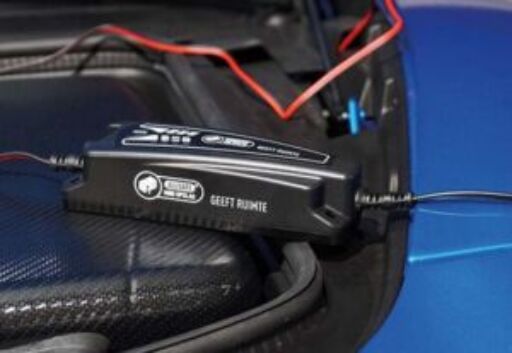
Depending on the location and the wishes of the owner, services such as battery care, maintenance, detailing, transport and other vehicle-related services can be arranged.
For many classic car owners, this means fewer worries and more confidence that the car will still be in good condition when it goes back on the road.
A good choice for winter storage and long-term storage
Engine Rooms is often used for:
- winter storage for classic cars;
- long-term storage;
- vehicles that are part of a collection;
- cars that are only used a few times a year;
- classics that need to keep their value.
Especially when a vehicle stands still for several months, good storage conditions can make a big difference.
When is regular storage enough?
Not every classic car needs a premium storage space.
A classic car that is used regularly and already has a dry garage can often be stored well without extra services.
A logical choice for classic car owners
Many classic car owners invest years of time, money and care into their vehicle. That is why it makes sense to also think carefully about the place where the car spends most of its time.
A classic car is not only kept beautiful while driving. It is also protected during the periods when it is not being used.
For owners who want more than just storage, ALLSAFE Engine Rooms offers a space where safety, vehicle preservation and convenience come together.
Looking for the best place for your classic car?
View ALLSAFE Engine Rooms
Related articles

Here’s How to Sell Your Home Quickly and for a Profit!
NVM Open House Day NVM Open House Days are a great way to attract a large number of viewers to y...

Create a Cozy Winter Garden with These Inspiring Ideas
Garden ideas to keep you warm Brrr, perhaps the most important thing if you want to use ...

Autumn Garden Maintenance – Tips for Preparing Your Garden for Winter
Preparing the Outdoor Tap for Winter Convenient, isn’t it? An outdoor tap ma...